
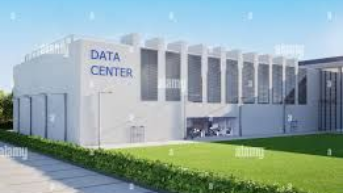
The Infrastructure Behind AI: Why the Grid Alone Cannot Keep Up
Solar DC Power is planning to develop agrivoltaic-powered rural data centers and community microgrids in Georgia, the Carolinas, and Costa Rica. Learn more at solardcpower.com.
The Infrastructure Behind AI: Why the Grid Alone Cannot Keep Up
This is the second post in a six-part series drawn from Solar DC Power's Technical Policy Brief on artificial intelligence. The series covers what AI is, how it must be powered, and what it means for climate, food security, jobs, and governance.
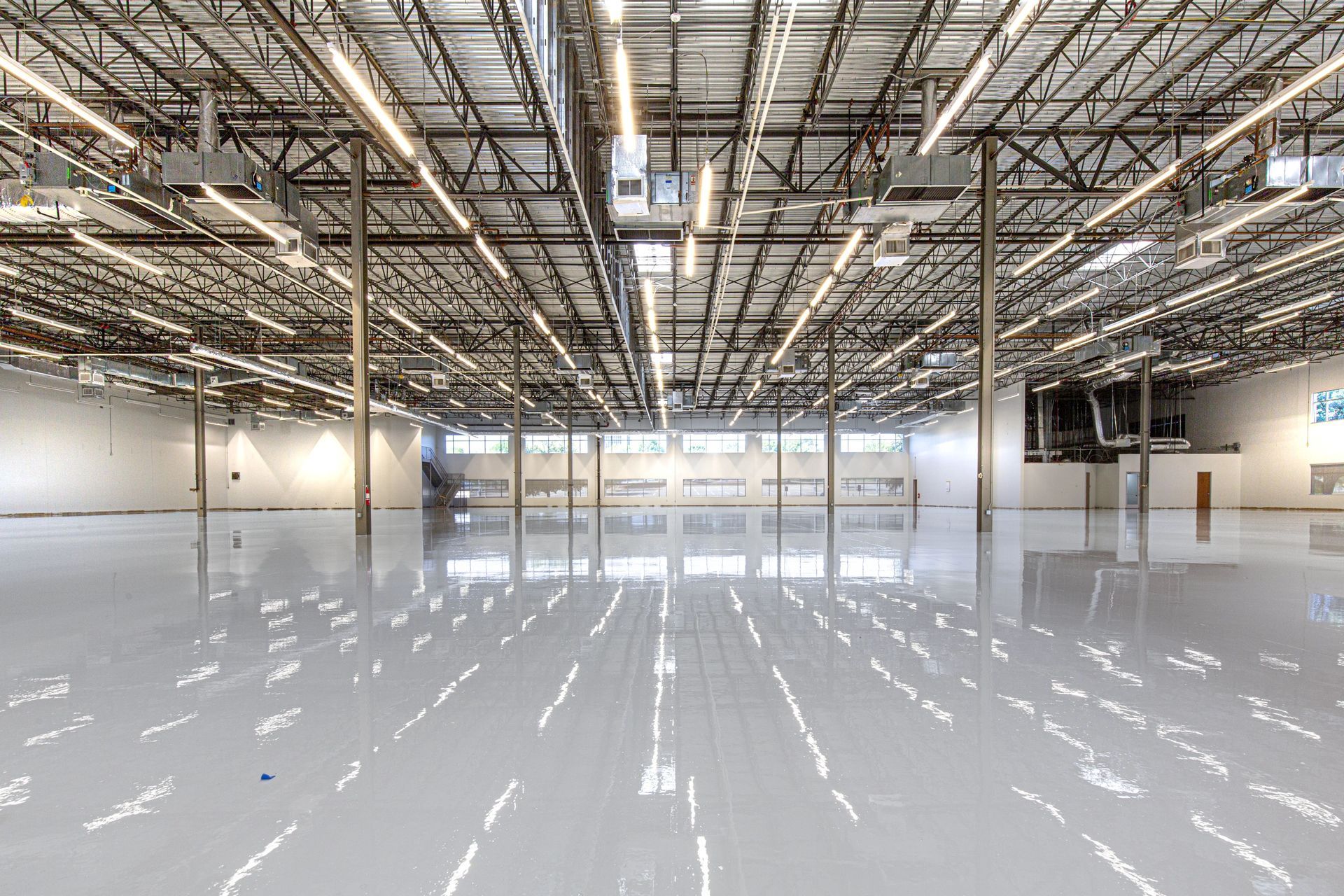
Every AI query, every model training run, and every inference call requires compute. Compute requires power, cooling, and physical infrastructure.
A single training run for a frontier AI model consumes between 50 and 5,000 MWh of electricity. A data center supporting enterprise AI inference at scale consumes 20 to 200 MW continuously. Globally, data centers consumed approximately 460 TWh in 2024. The International Energy Agency projects that number will exceed 1,000 TWh by 2030, roughly equal to Japan's entire current electricity consumption.
This is not a future problem. It is here now. And the macrogrid alone cannot keep up.
Why the Grid Cannot Scale Fast Enough
The American macrogrid was built for a different era. It is centralized by design, which made it efficient for decades. It also made it vulnerable: to storms, cyberattacks, rate spikes, and the energy appetite of a digital economy it was never built to carry.
Grid interconnection queues in many states now run three to five years. A data center developer who applies for grid connection today may wait until 2029 or 2030 before a single kilowatt-hour flows. Meanwhile AI demand is accelerating every month.
Communities are also pushing back. Atlanta has restricted new data centers near transit corridors and the Beltline. In Monroe County, more than 900 residents showed up to oppose a single rezoning application. Across Georgia and the Carolinas, billions of dollars in proposed projects have been delayed or blocked, not by bureaucracy, but by communities that do not want them.
The demand is not slowing down. The question is where and how the infrastructure gets built.
Solar DC Power's Answer
The answer is hiding in plain sight: working farmland in rural Georgia and the Carolinas, where land is available, sunlight is abundant, and communities are ready to welcome the right kind of development.
Solar DC Power is planning to develop agrivoltaic-powered data centers built on four integrated components that together deliver 24/7 reliable power without grid interconnection.
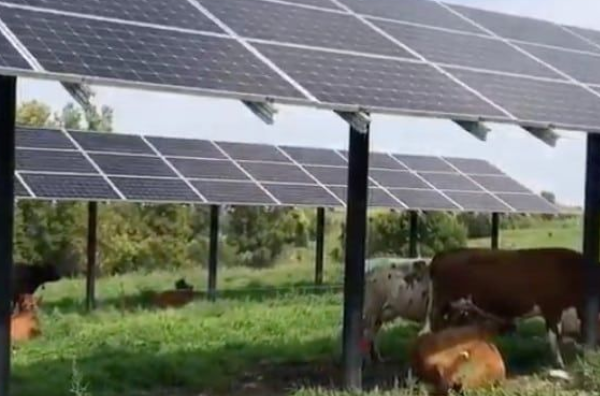
Agrivoltaic solar arrays. Elevated solar panels generate clean DC power on working farmland. On a typical family farm of 500 acres or less, agrivoltaic arrays are sized to supply roughly 25 to 50 percent of the data center's energy demand during daylight hours. On clear summer days, solar alone may supply the full load. But solar is weather-dependent and stops at sunset, which is where the system's second component becomes essential.
Solid oxide fuel cells. Solid oxide fuel cells serve as the always-on primary power source for the system. Unlike backup generators that sit idle, fuel cells operate continuously, generating clean firm power around the clock regardless of weather or time of day. Without fuel cells, a data center would need 1,000 acres or more of solar panels and battery storage to approach 24/7 reliability, far beyond what a family farm can support. Fuel cells close that gap entirely.
Thermal integration. Solid oxide fuel cells operate at approximately 700 degrees Celsius. Solar DC Power's design is exploring whether heat captured from the closed cooling loop can be used to maintain fuel cell operating temperature, reducing the energy draw on the solar array. This thermal integration, if validated in deployment, would improve overall system efficiency meaningfully.
Battery storage. Battery storage bridges the transition periods between solar generation and fuel cell output, smoothing supply and protecting against any momentary gap in delivery.
Together these four components create a behind-the-meter system that is self-sufficient, resilient, and sized to work with family-scale farmland rather than requiring industrial-scale land conversion.
Why This Model Addresses Community Opposition
Conventional data centers are large, urban, grid-dependent, and water-intensive. One facility outside Atlanta recently consumed 30 million gallons of water. They compete with residents for grid capacity and drive up utility rates.
Solar DC Power's rural agrivoltaic model is different by design. The farm keeps farming. The farmer earns land lease income of $500 to $1,000 or more per acre annually, compared to the Georgia average of $153 per acre for traditional cash rent. The data center is powered by the sun, not the grid. And the cooling system is designed to recirculate water rather than consume it.
The infrastructure and the community are not in conflict. They are partners.
What Comes Next
Post 3 in this series addresses what AI can actually do for the climate problem it partly causes, and why the power source for AI infrastructure is a climate-critical design decision.
Solar DC Power is planning to develop agrivoltaic-powered rural data centers and community microgrids in Georgia, the Carolinas, and Costa Rica. Learn more at www.solardcpower.com.